
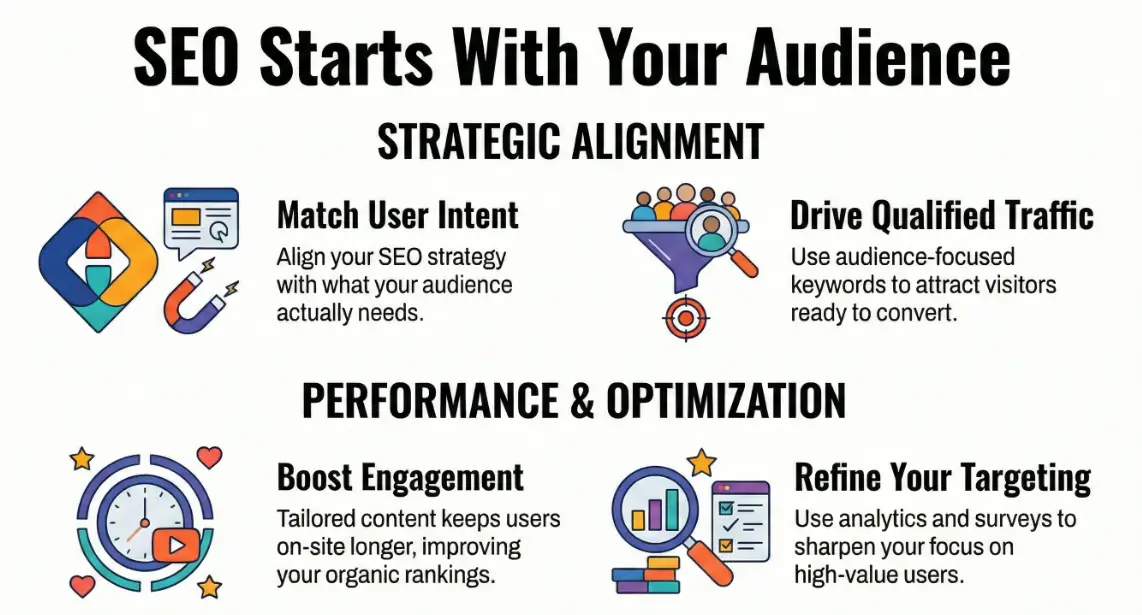
When people talk about link building or content outreach, the phrase “target relevant websites” comes up constantly — and for good reason. In an SEO landscape where search engines like Google are increasingly sophisticated at evaluating context, topical alignment, and genuine authority, relevance has become just as important as raw domain strength. Below is a deep look at what this strategy actually means, why it works, and how to execute it effectively.
What Does It Mean to Target Relevant Websites in SEO?
Targeting relevant websites means focusing your link-building, guest posting, and outreach efforts on sites that share topical overlap with your own — rather than chasing any website with a high domain authority score. If you run a fitness blog, a backlink from a nutrition or wellness site carries far more contextual weight than one from an unrelated finance or tech publication, even if the finance site technically has stronger metrics.
Search engines use relevance signals to understand what a link “means.” A link from a topically related site tells Google that other trusted voices in your space consider your content valuable, which reinforces your site’s place within that niche. A link from a completely unrelated site, by contrast, can look arbitrary or even manipulative if it happens too often.
Why Relevance Beats Raw Authority
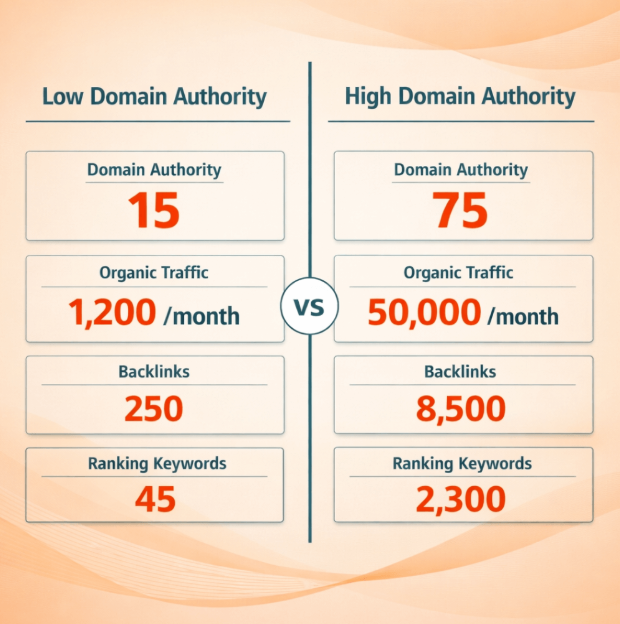
It’s tempting to chase the highest Domain Rating (DR) or Domain Authority (DA) number you can find, but this approach can backfire. Google’s algorithms — and its human quality raters — are trained to detect unnatural link patterns, including links that sit in content with no topical connection to the linking site’s usual subject matter.
Relevant links tend to:
- Drive more qualified referral traffic, since the audience reading the linking site is more likely to care about your topic
- Carry stronger contextual signals, because search engines analyze the surrounding text, site theme, and overall content cluster
- Age better, since they’re less likely to be flagged in future algorithm updates targeting spammy or irrelevant link networks
- Build genuine brand association within your industry, not just a numerical score
A moderate-authority site that’s deeply embedded in your niche will often move the needle more than a high-authority general-interest site that has nothing to do with your subject matter.
How to Identify Relevant Websites in Your Niche
Finding genuinely relevant sites takes more than a quick search for “write for us” pages. A structured approach usually looks like this:
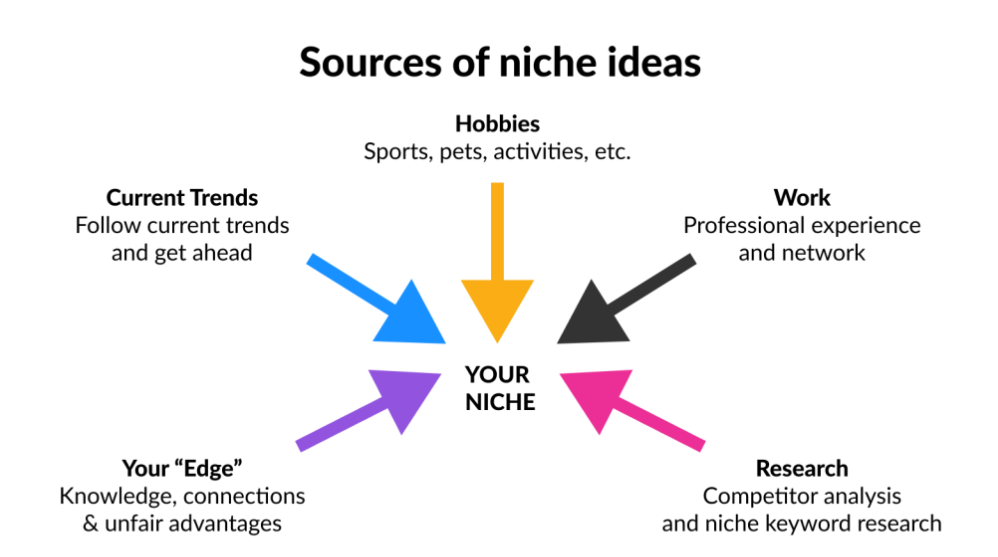
- Map your topical clusters. List the core subjects, subtopics, and adjacent industries connected to your niche. A SaaS company selling accounting software, for example, is relevant not just to “accounting” but also to small business finance, tax compliance, and bookkeeping.
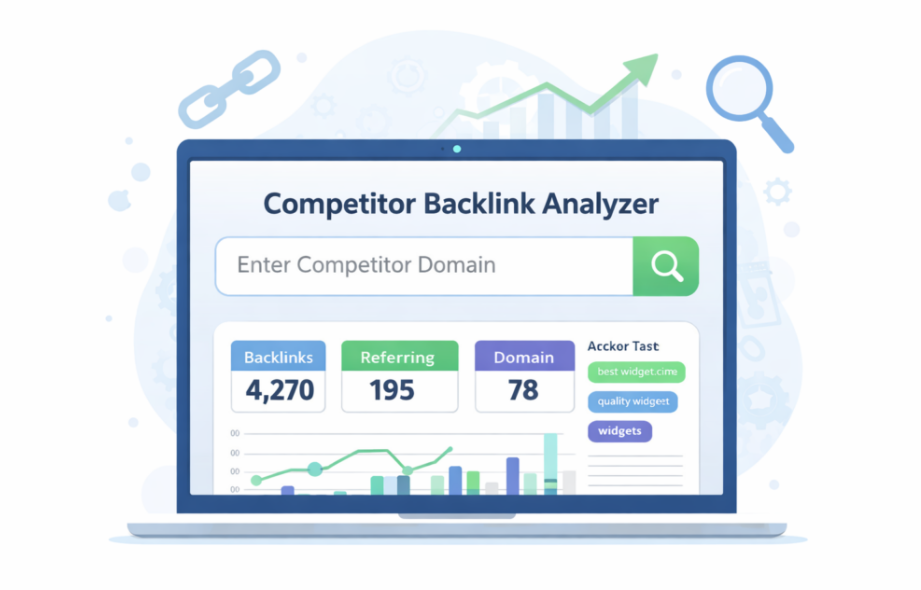
- Study your competitors’ backlink profiles. Competitor link analysis reveals which publications and blogs are already comfortable linking to companies like yours.
- Look at content overlap, not just category tags. A site labeled “business” might publish almost nothing about your actual subfield — always check recent articles, not just the site’s general description.
- Consider audience overlap. Ask whether the site’s readers would plausibly be interested in your product, service, or content, even if the subject matter isn’t identical.
Best Tools for Finding Relevant Websites
A handful of tools make relevance research far more efficient than manual searching alone:
- Ahrefs and Semrush — both let you pull a competitor’s backlink profile, filter by topical relevance, and export prospect lists sorted by traffic and authority
- Google Search operators — queries like
"write for us" + [your niche]orintitle:"guest post" + [keyword]surface active guest posting opportunities - BuzzSumo — useful for finding sites and authors who already publish and share content in your subject area
- Moz Link Explorer — helpful for cross-checking domain authority alongside topical category data
The goal with any of these tools isn’t to generate the longest possible prospect list — it’s to generate the most qualified one. A shorter list of ten genuinely relevant sites will usually outperform fifty loosely related ones.
Key Metrics to Evaluate Before Reaching Out
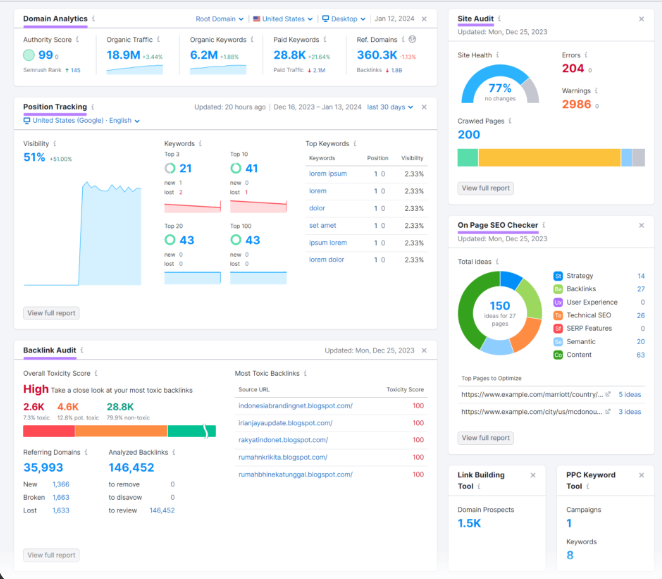
Once you’ve built a prospect list, vet each site before investing outreach time. Important metrics and signals include:
- Organic traffic trend — a site with declining traffic may be losing relevance or facing a penalty
- Content freshness — sites that haven’t published in months are less valuable link partners
- Outbound link ratio — a page stuffed with dozens of outbound links dilutes the value of any single link
- Editorial standards — does the site accept low-effort guest posts from anyone, or does it maintain genuine quality control?
- Spam score — tools like Moz flag sites with patterns typical of link farms or private blog networks (PBNs)
Skipping this vetting step is one of the most common reasons link-building campaigns underperform — the links exist, but they carry little real value or, worse, expose the target site to algorithmic risk.
Outreach Strategies That Work
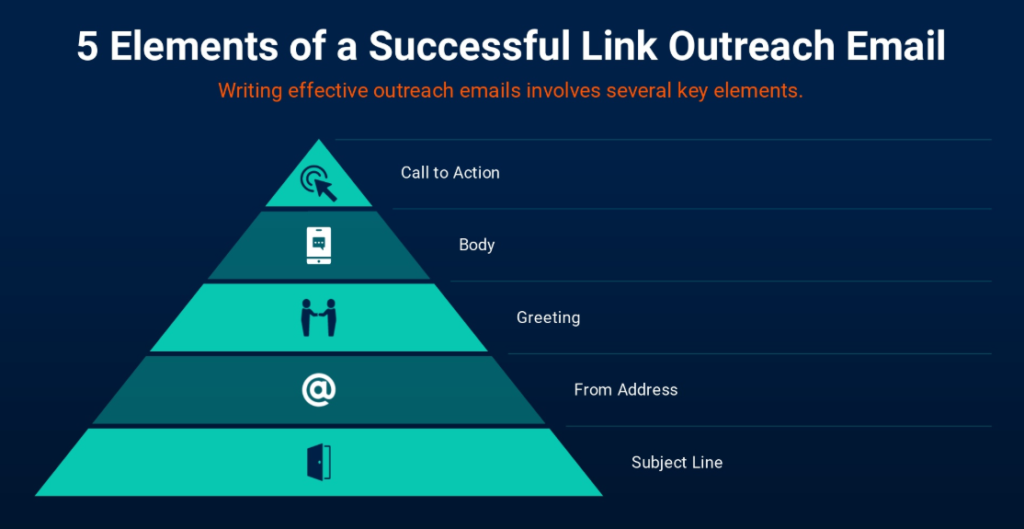
Once you’ve identified and vetted relevant websites, the outreach itself needs to be personalized and value-driven:
- Reference specific content. Mention an actual article or section from the site to prove you’ve done your homework, rather than sending a generic template.
- Lead with value, not a request. Explain what the site’s readers will gain from your contribution before asking for anything.
- Offer genuinely useful assets. Original data, unique research, or a well-written guest post gives site owners a real reason to say yes.
- Keep the ask small at first. A single, well-placed link within useful content is far more persuasive than a request for multiple links or aggressive anchor text.
- Follow up once, politely. Most outreach emails are ignored simply due to inbox volume, not rejection — a single respectful follow-up often converts.

Common Mistakes When Targeting Websites
Even experienced marketers fall into a few recurring traps:
- Prioritizing volume over fit — chasing dozens of links from marginally related sites instead of a handful from strongly aligned ones
- Ignoring audience overlap — a site can be “in the same industry” broadly while still having almost no actual reader overlap with your target customer
- Overlooking anchor text diversity — repeatedly using the same exact-match anchor text across relevant sites can still trigger over-optimization flags
- Treating relevance as static — a site that was relevant two years ago may have pivoted content direction, so profiles should be reassessed periodically
- Skipping manual review — automated tools are useful for sourcing prospects, but human judgment is still necessary to confirm genuine topical fit
Conclusion
Targeting relevant websites isn’t just a defensive tactic to avoid penalties — it’s one of the most effective ways to build an SEO profile that reflects genuine authority within your niche. By mapping topical clusters, vetting prospects on real metrics rather than vanity scores, and approaching outreach with a value-first mindset, you build a backlink profile that supports long-term rankings rather than short-term spikes. In an SEO environment that keeps rewarding topical depth and genuine expertise, relevance isn’t optional — it’s the foundation everything else is built on.




Leave a Reply