

In today’s crowded digital landscape, getting your voice heard requires more than just publishing great content on your own website. One of the most effective, time-tested strategies for expanding your reach, building authority, and driving qualified traffic is guest posting. When done strategically, guest posting can transform an unknown brand into a recognized industry voice, open doors to new audiences, and deliver long-term SEO benefits that compound over time.
This guide breaks down everything you need to know about leveraging guest posting effectively — from understanding what it is, to finding the right opportunities, crafting pitches that get accepted, and measuring your results.
What Is Guest Posting?

Guest posting, sometimes called guest blogging, is the practice of writing and publishing content on someone else’s website or blog rather than your own. In exchange for providing valuable content, the guest author typically receives a byline, an author bio, and often one or more backlinks to their own website or business.
Unlike traditional advertising, guest posting is built on the exchange of value rather than money. The host website gets free, high-quality content that serves its audience, while the guest author gains visibility, credibility, and referral traffic. This mutually beneficial relationship is what makes guest posting such a sustainable long-term strategy compared to paid promotion, which stops delivering results the moment the budget runs out.
Guest posting can take many forms: a how-to article on an industry blog, an opinion piece for a niche publication, a case study for a partner’s website, or even a co-authored piece with an established name in your field. Regardless of format, the goal remains the same — to position yourself or your brand in front of a new, relevant audience while adding genuine value to the host platform.
Why Guest Posting Is a Powerful Marketing Strategy
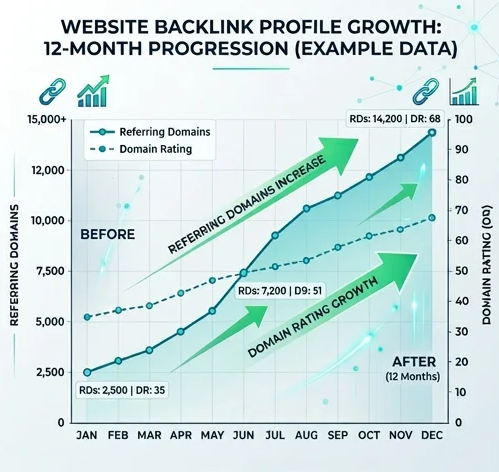
Guest posting sits at the intersection of content marketing, SEO, and relationship building, which is exactly why it remains relevant even as marketing trends shift year after year.
First, it expands your reach far beyond your existing audience. Every website you contribute to has its own readership, subscriber base, and social following. A single well-placed guest post can expose your brand to thousands of potential customers who may never have discovered you otherwise.
Second, guest posting builds relationships within your industry. Contributing to another company’s blog often opens the door to future collaborations, partnerships, podcast invitations, and speaking opportunities. These relationships compound over time, creating a network effect that pure advertising simply cannot replicate.
Third, it diversifies your traffic sources. Businesses that rely solely on one channel — whether that’s organic search, paid ads, or social media — are vulnerable to algorithm changes and platform shifts. Guest posting creates additional, more resilient pathways for potential customers to find you.
Finally, guest posting reinforces your position as a thought leader. When your insights appear on respected industry platforms, readers naturally begin to associate your name or brand with expertise and authority in that space.
SEO Benefits of Guest Posting

While relationship building and brand exposure are valuable on their own, guest posting also delivers measurable SEO advantages that make it a staple in most digital marketing strategies.
The most obvious benefit is backlinks. Search engines like Google use backlinks as a signal of trust and authority. When a reputable website links back to your site within a guest post, it tells search engines that other credible sources vouch for your content. Over time, a steady stream of quality backlinks from relevant, authoritative domains can meaningfully improve your search rankings.
Guest posting also helps with referral traffic. Readers who click through from a guest post are often already interested in your niche, meaning they tend to be higher-quality visitors who are more likely to explore your website further, sign up for a newsletter, or make a purchase.
Additionally, guest posting can improve keyword visibility. By writing content around specific topics and naturally incorporating relevant keywords, you increase your brand’s presence across a wider range of search queries, indirectly supporting your own site’s topical authority.
It’s important to note that not all backlinks are created equal. Search engines have become increasingly sophisticated at identifying low-quality, spammy guest posting networks designed purely to manipulate rankings. This is why any guest posting strategy needs to prioritize quality, relevance, and genuine value over sheer volume.
Building Authority and Trust Through Guest Posts

Trust is the currency of modern marketing, and guest posting is one of the most effective ways to earn it. When you consistently publish thoughtful, well-researched content on respected platforms, you signal to both readers and search engines that you know your industry inside and out.
This kind of authority-building works because it borrows credibility from the host platform. If a well-known publication in your industry is willing to feature your writing, readers naturally extend some of that trust to you. Over time, as your name or brand appears across multiple respected sites, you begin to build a reputation that stands independently of any single platform.
This compounding trust also makes future marketing efforts easier. Prospective customers who have already encountered your insights on a trusted third-party site are more likely to engage positively with your own website, sales content, or outreach when they encounter it later.
How to Find the Right Guest Posting Opportunities

Not every website is worth pursuing for a guest post, so identifying the right targets is a critical first step. Start by making a list of websites, blogs, and publications that serve your target audience or operate within your industry. These should have engaged readerships, active social sharing, and content quality that aligns with your brand’s standards.
A few practical ways to find opportunities include searching for industry-specific terms combined with phrases like “write for us” or “contribute,” reviewing the backlink profiles of your competitors to see where they’ve published guest content, and browsing niche online communities or forums where industry professionals share and discuss content.
It’s also worth evaluating each site’s domain authority, engagement levels, and editorial standards before reaching out. A smaller blog with a highly engaged, niche-relevant audience is often more valuable than a large but unrelated publication with low reader engagement. Prioritize relevance and quality over sheer size every time.
Crafting an Effective Guest Post Pitch

Once you’ve identified promising targets, the next step is crafting a pitch that stands out. Editors and blog owners receive countless generic pitches every week, so personalization and clarity are essential.
Start by addressing the recipient by name and demonstrating that you’re familiar with their content. Reference a recent article you enjoyed or a specific angle their audience seems to care about. This shows genuine interest rather than a mass-blasted template.
Next, propose two or three specific topic ideas rather than a vague offer to “write something.” Each idea should be tailored to the platform’s audience and should clearly explain the value the piece will bring to their readers. Keep the pitch concise, professional, and free of unnecessary flattery or filler.
Finally, include a brief note about your relevant expertise or past writing samples, along with a link to previous published work if available. This builds confidence that you can deliver a polished, publication-ready piece.
Writing Content That Gets Accepted and Shared

Landing the opportunity is only half the battle — the content itself needs to deliver real value to be worth publishing and sharing. Successful guest posts are well-researched, clearly structured, and tailored specifically to the host site’s tone and audience rather than repurposed generic content.
Focus on providing actionable insights, real examples, and a unique perspective that readers can’t easily find elsewhere. Avoid overly promotional language; the goal of a guest post is to educate or inform first, with brand exposure as a secondary benefit that comes naturally through your author bio and any contextually relevant links.
Pay close attention to formatting as well. Use clear subheadings, concise paragraphs, and a logical flow that makes the content easy to skim and digest. Following any specific style or formatting guidelines provided by the host site also demonstrates professionalism and increases the likelihood of future collaboration.
Common Guest Posting Mistakes to Avoid
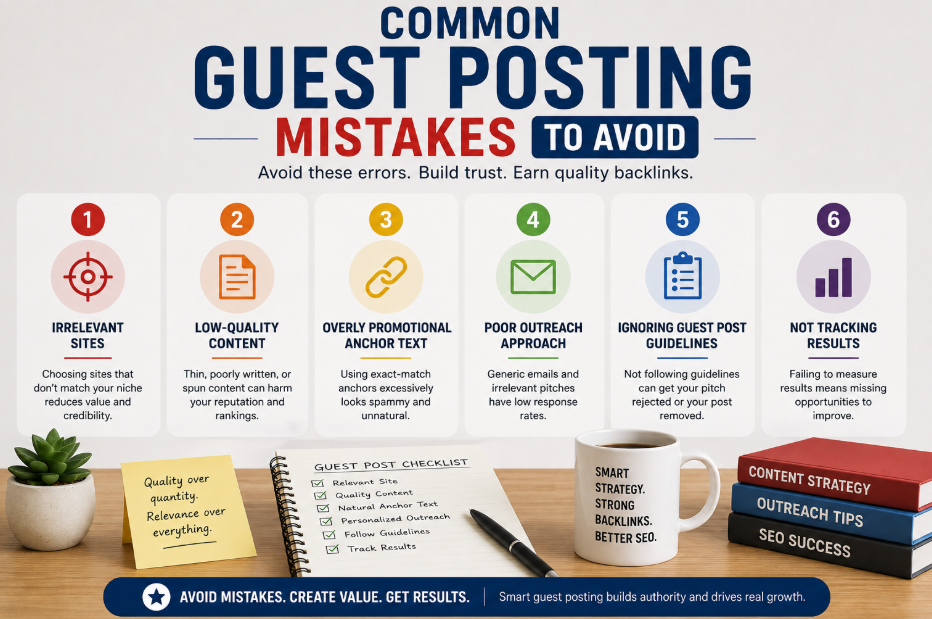
Even experienced marketers can fall into common traps when it comes to guest posting. One frequent mistake is prioritizing quantity over quality — flooding low-authority or irrelevant sites with generic content purely to gain backlinks. This approach not only fails to build genuine authority but can also trigger search engine penalties.
Another mistake is being overly promotional. Guest posts stuffed with sales pitches or excessive self-promotion tend to be rejected by editors and, if published, often fail to resonate with readers. The value should come from the insight shared, not from repeated brand mentions.
Failing to research the host platform before pitching is another common misstep. Sending irrelevant topic ideas or ignoring a site’s existing content style signals a lack of genuine interest and reduces your chances of acceptance.
Finally, many marketers neglect to follow up after a post goes live — failing to promote it on their own channels, engage with comments, or nurture the relationship with the host site for future opportunities.
Measuring the Success of Your Guest Posting Strategy

To ensure your guest posting efforts are paying off, it’s important to track meaningful metrics rather than relying on gut feeling alone. Referral traffic is one of the clearest indicators — tracking how many visitors arrive at your site from each guest post link shows which platforms and topics resonate most with readers.
Backlink quality and domain authority of the sites you’ve contributed to are also worth monitoring, as these directly influence your own site’s SEO performance over time. Additionally, keep an eye on engagement metrics such as time on page and bounce rate for visitors coming from guest post referrals, as this reveals whether the traffic is genuinely relevant and interested in your offerings.
Finally, track any tangible business outcomes tied to guest posting campaigns, such as newsletter sign-ups, lead generation, or direct sales attributed to referral traffic. Over time, this data will help you refine your strategy, focusing more resources on the platforms and content types that deliver the strongest results.
Conclusion
Guest posting remains one of the most valuable, sustainable strategies available for growing brand awareness, building authority, and improving SEO performance. Unlike short-lived advertising campaigns, the relationships, backlinks, and reputation built through thoughtful guest contributions continue to deliver value long after the content is published.
Success comes down to strategic targeting, genuine value creation, and consistent follow-through — finding the right platforms, crafting personalized pitches, writing content that truly serves the host audience, and tracking results to continuously refine your approach. When leveraged correctly, guest posting isn’t just a marketing tactic; it’s a long-term investment in your brand’s credibility and reach.




Leave a Reply