

Link building is often treated as a mechanical task — a box to check on an SEO roadmap. But in practice, it’s one of the most nuanced and relationship-dependent parts of search marketing. The difference between a backlink profile that drives sustainable rankings and one that risks a penalty often comes down to a single factor: experience. An experienced link building team doesn’t just “get more links” — it understands which links matter, how to earn them ethically, and how to build a strategy that compounds in value over time. This article explores why that experience is so valuable, what it actually looks like in practice, and how to recognize it when evaluating a team or partner.
Why Experience Matters in Link Building

Search engine algorithms have grown vastly more sophisticated over the past decade, and link building has evolved right along with them. What worked in 2012 — mass directory submissions, spun content, and reciprocal linking schemes — can actively damage a site’s rankings today. Experienced teams have lived through these algorithm shifts firsthand. They’ve seen which tactics stopped working, which strategies quietly evolved, and which approaches have remained durable across updates. That institutional memory is difficult to replicate through theory alone; it comes from years of testing, adjusting, and observing real outcomes across many different clients and industries.
Experience also shapes judgment. Knowing which opportunities are worth pursuing and which look promising but carry hidden risk is a skill that takes time to develop. A seasoned team can often spot a low-quality or manipulative link opportunity within seconds, simply because they’ve seen the pattern before.
The Risks of Amateur Link Building

Inexperienced teams — or businesses attempting link building without proper guidance — often fall into predictable traps. They may pursue link volume over quality, submitting to hundreds of low-relevance directories or purchasing bulk link packages that look impressive in a spreadsheet but do little for actual rankings. Worse, some tactics can trigger manual actions or algorithmic penalties, which can take months to recover from even after the offending links are removed.
Another common mistake is ignoring relevance and context. A link from a site that has nothing to do with the target business’s industry rarely carries the weight that a topically aligned link does, and an unnatural pattern of irrelevant links can actually raise red flags with search engines. Amateur efforts also tend to lack a coherent strategy — pursuing links opportunistically rather than as part of a broader plan tied to business goals, content assets, and competitive positioning.
What an Experienced Team Brings to the Table

A seasoned link building team brings several distinct advantages. First, they typically have established relationships with journalists, bloggers, and site owners across a range of industries — relationships built over years rather than single campaigns. These relationships often make the difference between a cold pitch that gets ignored and a warm introduction that results in a placement.
Second, they bring a portfolio of proven processes: systems for prospecting relevant sites, vetting domain quality, tracking outreach, and measuring results. These processes reduce wasted effort and ensure that every campaign builds on lessons learned from previous ones. Third, and perhaps most importantly, they bring pattern recognition — the ability to look at a competitor’s backlink profile or a client’s existing link gaps and quickly identify the highest-leverage opportunities, rather than starting from scratch every time.
Relationship-Driven Outreach

One of the clearest markers of an experienced link building team is the quality of their outreach relationships. Rather than sending generic, templated pitches to hundreds of sites, experienced teams tend to prioritize a smaller number of genuinely relevant contacts and build rapport over time. This might mean engaging with a journalist’s previous work before pitching a story, contributing useful comments or insights before ever asking for a link, or maintaining ongoing contact with site owners well beyond a single campaign.
This relationship-first approach tends to produce a much higher acceptance rate than transactional outreach, and it often opens doors to future opportunities that wouldn’t exist with a purely one-off approach. Journalists and bloggers remember which sources were genuinely helpful and responsive, and they’re far more likely to return to those sources for future stories or roundups.
Content Strategy and Digital PR Expertise
Experienced link building teams understand that sustainable links are earned, not requested. That means much of their work centers on identifying or creating genuinely link-worthy assets — original research, unique data sets, useful tools, or compelling stories — rather than simply asking site owners for a favor. This often overlaps closely with digital PR: crafting a newsworthy angle around a piece of content and pitching it to relevant media in a way that respects a journalist’s time and interests.
This kind of work requires a blend of skills that’s hard to find in a single junior hire — strong writing and storytelling ability, data analysis skills to surface interesting findings, and a genuine understanding of what different types of publications are looking for. Teams that have run dozens or hundreds of these campaigns develop an intuition for which angles will land and which won’t, saving significant time and resources compared to teams still learning through trial and error.
Technical and Analytical Skills
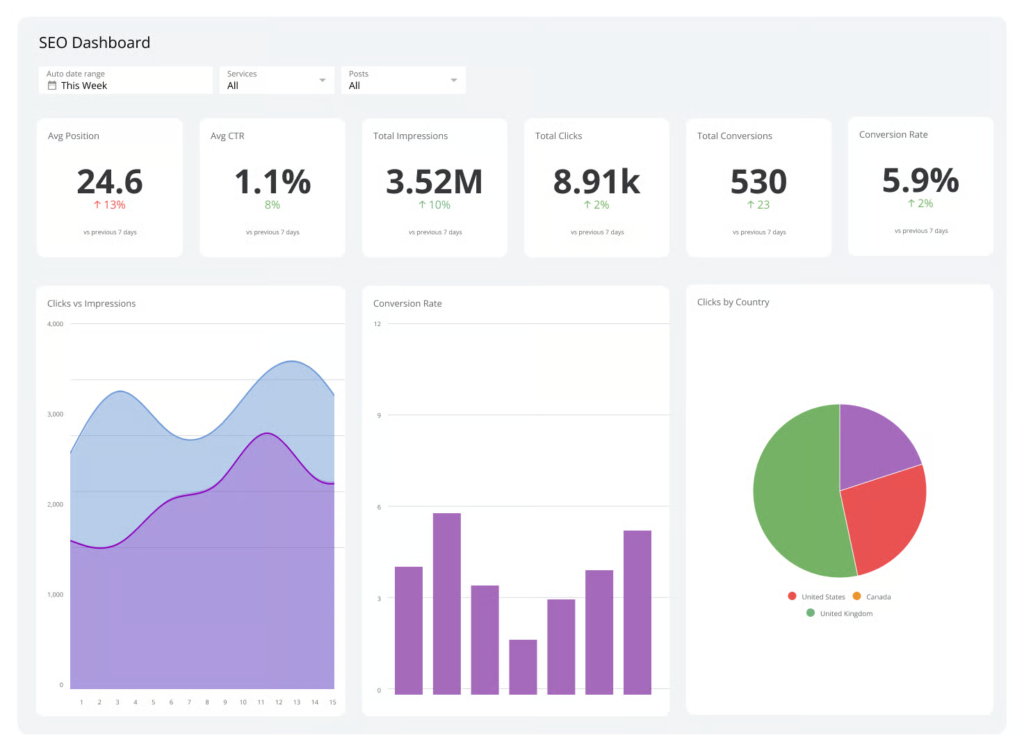
Beyond outreach and content, experienced link building teams bring strong technical grounding. This includes the ability to properly audit a backlink profile for toxic or spammy links, understand how link equity flows through a site’s internal linking structure, and interpret authority metrics in context rather than at face value. It also includes staying current on how search engines evaluate links — for example, understanding the nuances around nofollow, sponsored, and UGC link attributes, and how these affect strategy.
This technical fluency allows experienced teams to make informed decisions rather than relying on rules of thumb. They can look at a prospective linking site and assess not just its surface-level authority score, but factors like traffic trends, content quality, and topical relevance — all of which contribute to whether a link will meaningfully help rankings.
Avoiding Penalties and Staying White-Hat

Perhaps the most valuable — and least visible — contribution of an experienced team is what they avoid doing. They know how to steer clear of link schemes, private blog networks, and paid link arrangements that violate search engine guidelines, even when those tactics promise faster short-term results. This restraint isn’t just about ethics; it’s about long-term risk management. A backlink profile built on manipulative tactics can look strong for a while, only to collapse after an algorithm update or manual review, sometimes taking years of accumulated rankings down with it.
Experienced teams also know how to recover a site that has already been penalized — a process that requires carefully auditing every existing link, disavowing harmful ones, and documenting outreach efforts for reconsideration requests. This is specialized, often tedious work that benefits enormously from having handled similar situations before.
Measuring ROI and Long-Term Results

An experienced team also brings a more sophisticated approach to measurement. Rather than reporting on link counts alone, they typically track referring domain quality, keyword ranking movement tied to specific pages, referral traffic generated by placements, and how the backlink profile compares to key competitors over time. This kind of reporting connects link building activity to actual business outcomes, which makes it far easier to justify continued investment and to refine strategy based on what’s genuinely working.
Long-term thinking also shows up in pacing. Rather than pushing for as many links as possible in a short window, experienced teams tend to build link profiles gradually, prioritizing durability over speed — a strategy that holds up far better against future algorithm changes.
Choosing the Right Link Building Partner

For businesses evaluating a link building partner, a few signals tend to indicate genuine experience. Ask to see case studies or examples of past campaigns, particularly ones in a similar industry. Look for transparency about tactics — an experienced, reputable team should be willing to explain exactly how they plan to earn links, rather than being vague about “proprietary methods.” Be wary of guarantees around specific link counts or rankings within a fixed timeframe, since ethical link building depends on relationships and content quality that can’t be perfectly predicted.
It’s also worth asking how a prospective team measures success and how they’ve handled situations where a campaign didn’t go as planned. The way a team discusses setbacks often reveals more about their experience than their list of successes.
Conclusion
Link building will always involve some trial and error, but experience dramatically shortens the learning curve and reduces the risk of costly mistakes. Teams that have spent years refining their outreach relationships, content strategy, technical judgment, and risk management bring something that can’t be replicated through tools or templates alone. For businesses serious about building sustainable search visibility, investing in that experience isn’t a luxury — it’s often the difference between a backlink profile that compounds in value over time and one that quietly holds a site back.



Leave a Reply