
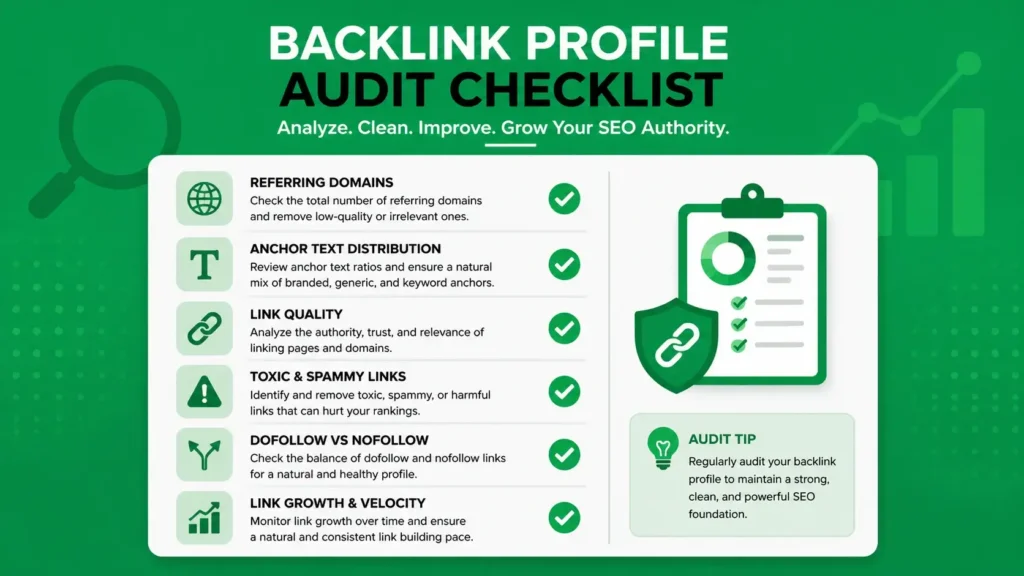
Link building has an image problem — not because the tactic doesn’t work, but because so much of it happens behind closed doors. Clients hand over budget, wait weeks, and receive a vague update about “outreach progress” with little to show for it. Transparent reporting fixes that gap. It turns link building from a black box into a process anyone can follow, verify, and trust. Here’s what genuinely transparent reporting looks like in practice, and why it’s become a non-negotiable part of any credible SEO program.
1. Real-Time Dashboards Replace Static Updates
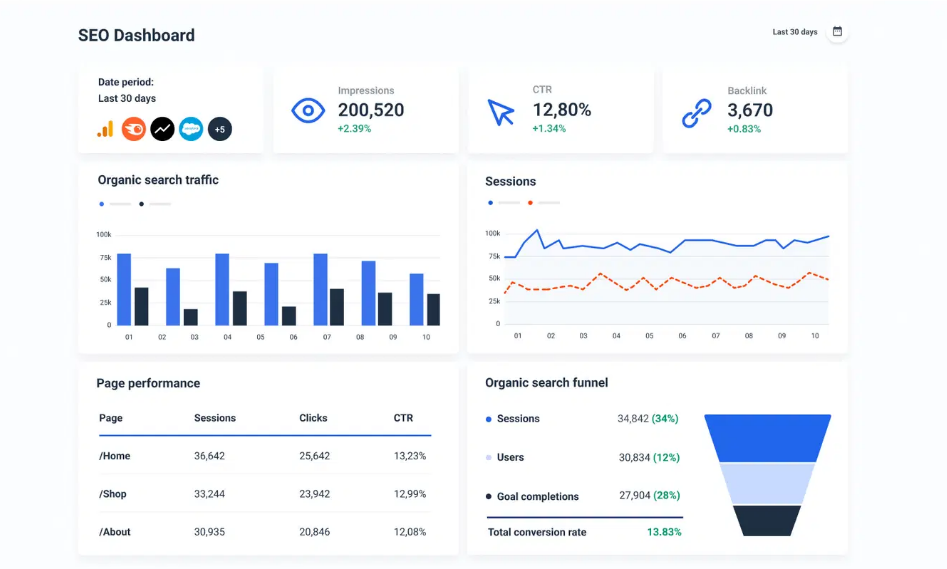
The days of waiting for a monthly PDF report are fading. Modern link building programs increasingly rely on live dashboards that clients can check whenever they want, showing exactly which links have been secured, when, and from which domains. This shift matters because it removes the lag between work being done and a client seeing evidence of it — instead of trusting a summary written after the fact, stakeholders can watch progress accumulate in real time.
A good dashboard doesn’t just list totals. It breaks down the pipeline: prospects contacted, pages agreed to, links live, and links still pending — so nothing is hidden in an ambiguous “in progress” bucket.
2. Every Link Is Documented, Not Just Reported in Aggregate
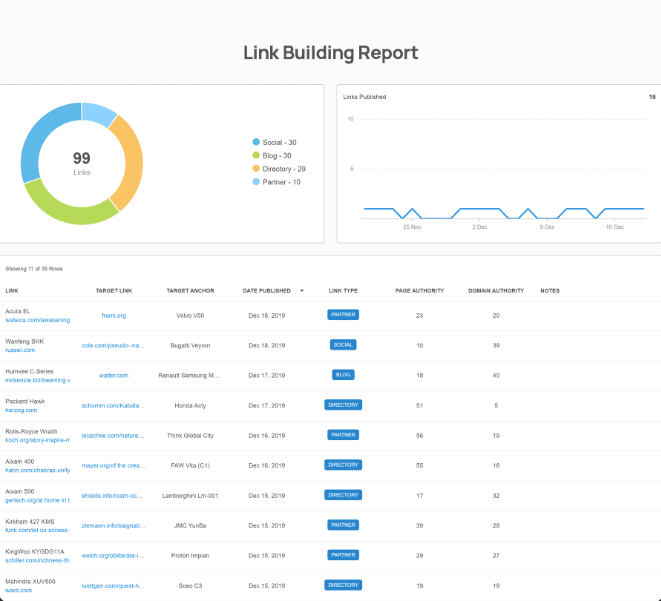
Transparent reporting means showing the actual links, not just a count. A trustworthy report includes the source URL, the target page, the anchor text used, and the date the link went live — laid out in a shared spreadsheet or tracking tool the client can access directly rather than a number buried in a slide deck. This level of detail lets clients verify the work themselves instead of taking an agency’s word for it, and it creates a permanent record that’s useful for audits, disavow decisions, or future strategy reviews.
This documentation habit also protects both sides: if a link later goes down or a site changes hands, there’s a clear history showing what was delivered and when.
3. Quality Metrics Are Shared Alongside Quantity
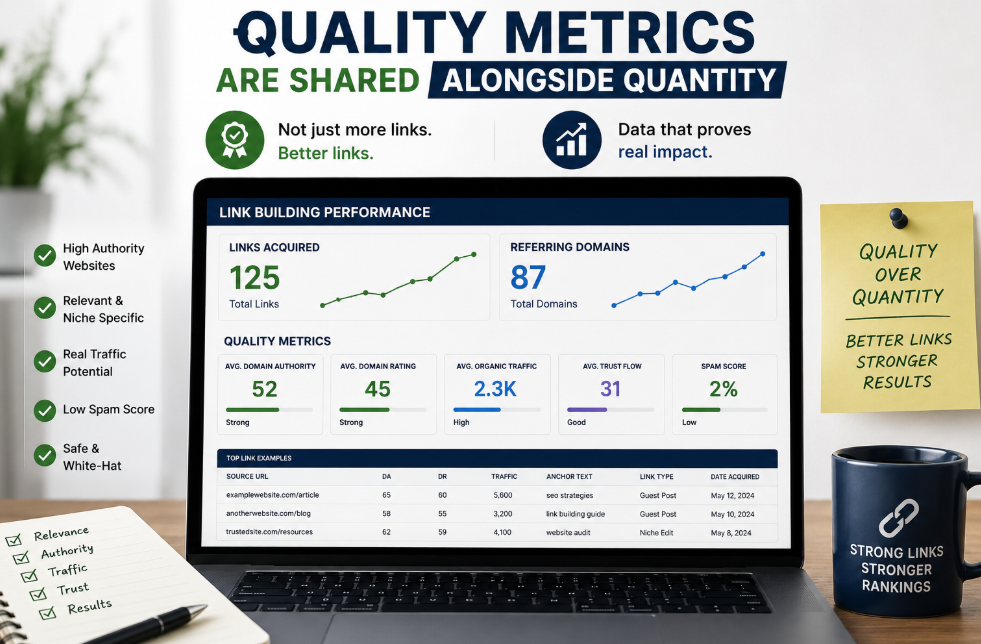
A link count on its own can be misleading — ten low-quality links are worth far less than two from genuinely authoritative, relevant sites. Transparent reporting pairs every link with the context needed to judge it: the referring domain’s authority score, its relevance to the client’s industry, and its estimated traffic. Agencies that report this way are effectively inviting scrutiny of their own work, which builds far more credibility than reporting volume alone.
This also protects clients from a common industry problem — vendors padding reports with cheap, spammy links just to hit a number. Sharing quality metrics openly makes that kind of padding obvious immediately.
4. The Outreach Process Itself Is Visible
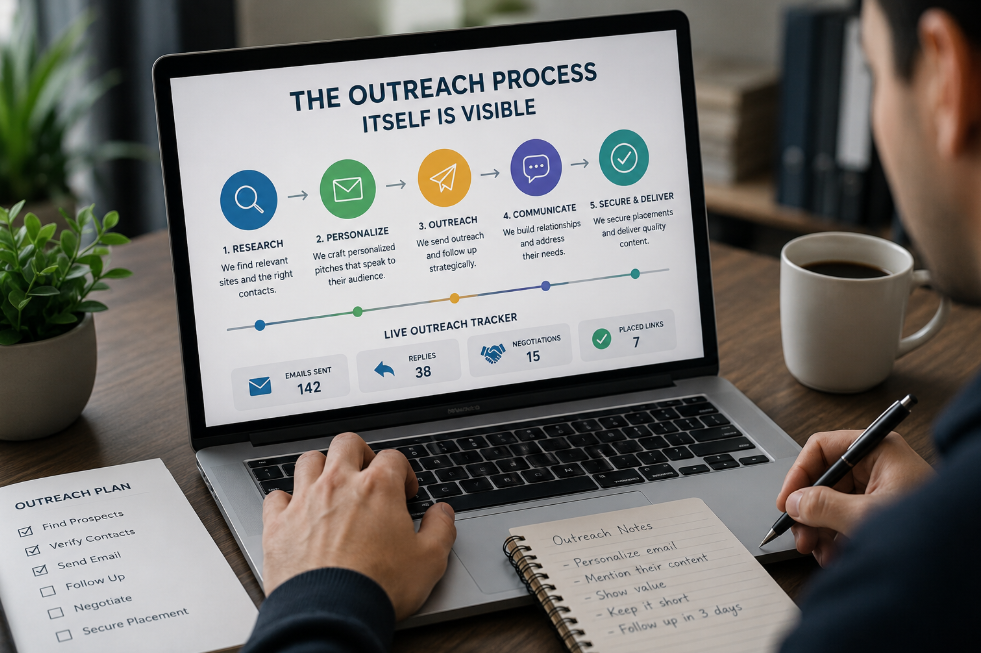
Transparency doesn’t stop at the finished link. Increasingly, clients are shown the outreach process behind it — which sites were contacted, how many replied, and what the rejection rate looked like. This context matters because link building is inherently a numbers game; only a fraction of outreach attempts convert into placements. Showing the full funnel, not just the wins, gives clients a realistic picture of effort and difficulty rather than an inflated sense of how easy results are to produce.
It also builds patience. A client who can see forty outreach emails behind three new links understands why the process takes time, rather than assuming the vendor is underperforming.
5. Regular Check-Ins Turn Data Into Strategy

Numbers alone don’t tell the full story — transparent reporting includes a human conversation about what the data means. Regular check-ins, whether monthly calls or written strategy notes, translate raw link data into decisions: which prospecting angles are working, which content needs updating to earn more links, and where the next quarter’s effort should focus. This turns reporting from a passive record into an active planning tool.
These conversations also give clients a chance to ask questions directly, which builds a level of trust that a dashboard alone can’t replicate. It signals that the reporting exists to inform decisions, not just to justify an invoice.
The Bottom Line
Transparent reporting isn’t a nice-to-have add-on to link building — it’s what separates a credible SEO partnership from a guessing game. When clients can see exactly which links were earned, from where, at what quality level, and through what process, link building stops feeling like a leap of faith. It becomes a strategy that can be measured, refined, and trusted over time — which, ultimately, is what makes the results worth reporting on in the first place.




Leave a Reply