

For years, the dominant SEO playbook was simple: publish more. More blog posts, more landing pages, more keyword variations — the assumption was that sheer volume would eventually win the search rankings war. That era is over. Search engines, led by Google’s evolving algorithms and increasingly sophisticated AI-driven ranking systems, have shifted decisively toward rewarding authority over output. A site with fifty deeply researched, expertly written pages will now consistently outrank a site with five hundred thin, generic articles. Understanding why this shift happened — and how to build genuine authority — is one of the most important strategic decisions a content team can make in 2026.
Understanding E-E-A-T: The Foundation of Authority
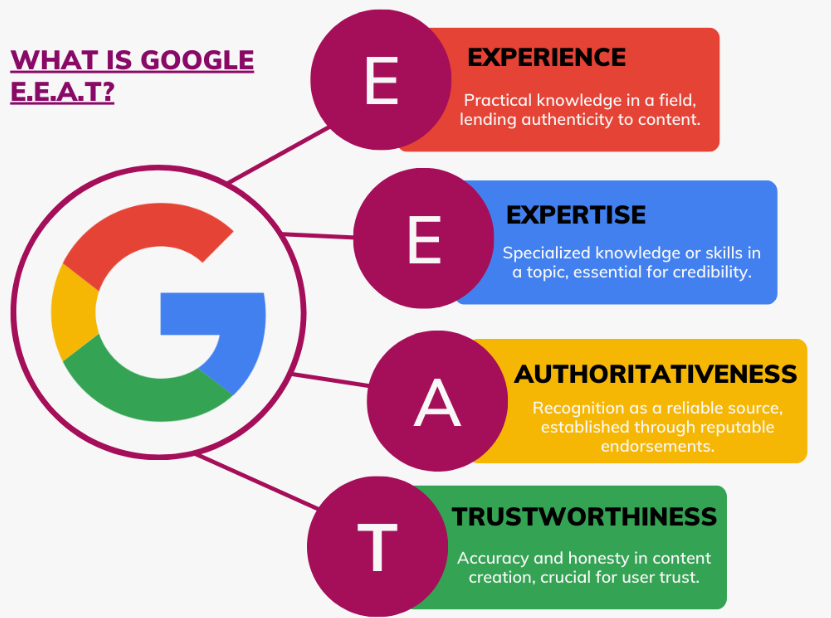
Google’s Search Quality Rater Guidelines revolve around four pillars: Experience, Expertise, Authoritativeness, and Trustworthiness — collectively known as E-E-A-T. This framework isn’t a literal ranking algorithm, but it shapes how Google’s systems evaluate whether content deserves to rank. Experience asks whether the creator has actually done or used the thing they’re writing about. Expertise asks whether they have the knowledge or skill to speak credibly. Authoritativeness asks whether the site or author is recognized as a go-to source in their field. Trustworthiness — arguably the most important of the four — asks whether the content is accurate, transparent, and safe to rely on. Authority isn’t built by stuffing keywords; it’s built by demonstrating, page after page, that you genuinely know what you’re talking about.
The Content Quantity Trap

Many organizations fell into what’s now called the “content quantity trap”: publishing dozens of thin articles per month to chase keyword coverage, only to see diminishing returns as Google’s helpful content systems learned to identify and suppress low-value, mass-produced pages. The rise of AI writing tools accelerated this problem — when anyone can generate a thousand words on any topic in seconds, the market gets flooded with interchangeable content that adds nothing new. Search engines responded by tightening their filters, penalizing sites where a large share of pages show little evidence of genuine expertise, original insight, or unique value. The lesson is blunt: publishing volume without a corresponding depth of knowledge is now a liability, not an asset.
How Search Engines Actually Measure Authority
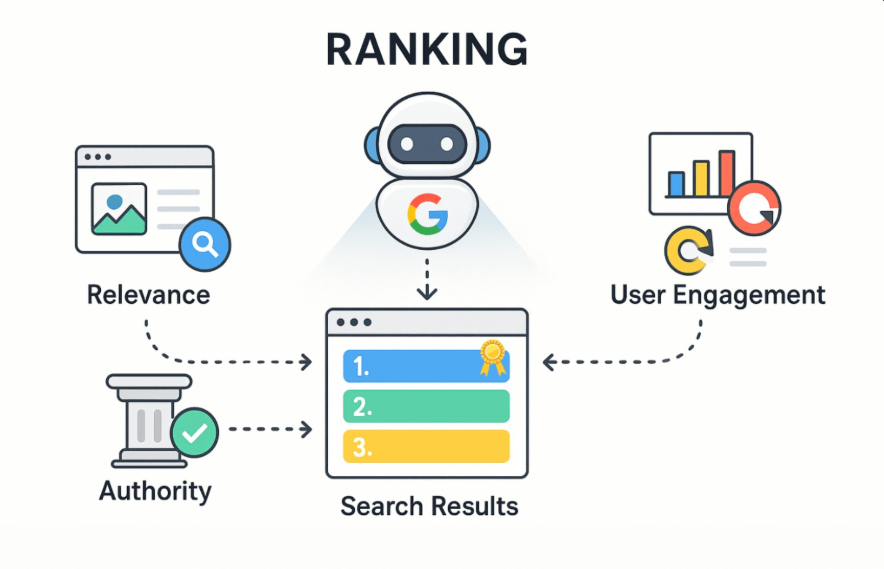
Authority signals are assessed through a combination of on-page and off-page factors. On-page, this includes clear author bylines with real credentials, original data or first-hand testing, citations to credible sources, and content that goes beyond surface-level summaries to answer the questions an expert would actually be asked. Off-page, it includes backlinks from other authoritative sites, mentions and citations across the web, consistent brand presence across platforms, and a track record of accuracy over time. Google’s systems also increasingly evaluate topical consistency — whether a domain has built a coherent body of knowledge around a subject area, rather than jumping opportunistically between unrelated topics chasing search volume.
Building Topical Authority Through Content Clusters
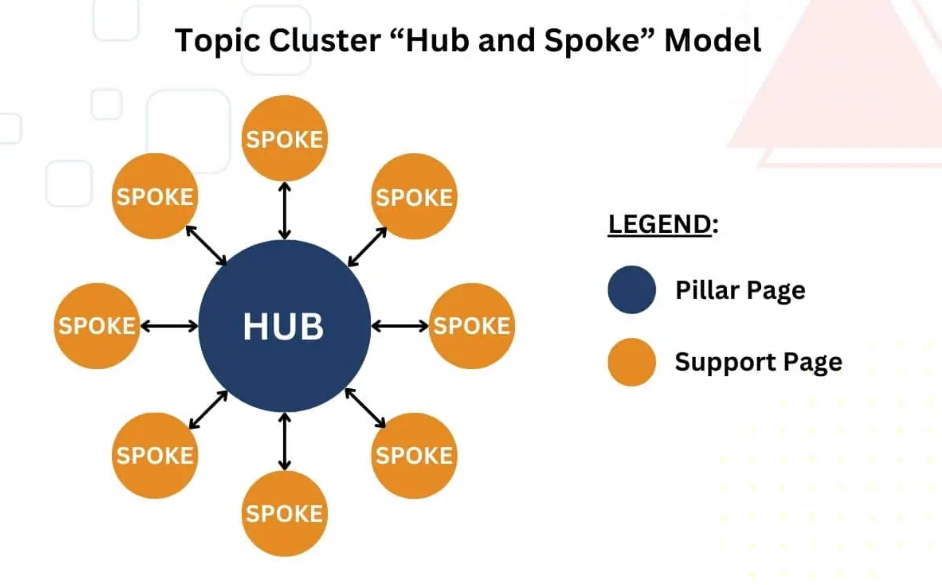
One of the most effective ways to build authority is through topic clusters — a structure where a comprehensive “pillar” page covers a broad subject, supported by a network of interlinked pages that each explore a specific subtopic in depth. This approach signals to search engines that a site has genuinely mapped out a subject area rather than picking off isolated keywords. It also improves the user experience, since visitors can navigate naturally from a general overview to the specific detail they need. Instead of publishing thirty scattered articles about “marketing,” a site can publish twelve tightly connected pieces that together represent one of the most complete resources on a narrower, well-defined topic — and that narrower dominance is what search engines reward.
Backlinks: Quality Over Quantity

The same principle that applies to content applies to backlinks. A single link from a respected, topically relevant publication — a university, an industry association, a well-known media outlet — carries far more weight than dozens of links from low-quality directories or spun content farms. In fact, large volumes of low-quality backlinks can actively harm a site by triggering spam-detection systems. Modern link-building strategy has shifted toward earning citations through original research, expert commentary, and genuinely useful tools or data that other credible sites want to reference naturally. Quality link acquisition is slower and harder than mass outreach campaigns, but it compounds — a handful of authoritative links can outperform a thousand low-value ones indefinitely.
The Role of Author Expertise and Bylines

Anonymous, generic content is increasingly disadvantaged in search results, especially in sensitive categories like health, finance, and legal advice — often referred to as “Your Money or Your Life” (YMYL) topics, where Google applies the strictest scrutiny. Attaching a real author with a verifiable background, professional credentials, and a consistent publishing history signals authenticity that algorithms and human quality raters both look for. Author bio pages, links to professional profiles, and demonstrable subject-matter experience all contribute to a page’s perceived trustworthiness. Brands that invest in bylined, expert-driven content — rather than unattributed or AI-generated filler — are positioning themselves for durability as search systems get better at distinguishing genuine expertise from imitation.
Case Studies: Brands That Won by Going Deep

Numerous brands have demonstrated this shift in practice. Publishers that once operated content mills producing hundreds of shallow posts per month have pivoted to smaller, more deliberate editorial teams that publish fewer but far more thorough pieces — often seeing better rankings and engagement despite cutting output significantly. Niche publications built entirely around one narrow subject, staffed by genuine practitioners, frequently outrank general-interest sites with vastly larger content libraries, simply because their authority within that specific domain is unmatched. The pattern is consistent across industries: depth and specialization beat breadth and volume when it comes to sustainable organic visibility.
Auditing and Pruning Low-Value Content

Building authority isn’t only about what gets published — it’s also about what gets removed. Content pruning, the practice of auditing a site and removing, consolidating, or substantially rewriting outdated, thin, or underperforming pages, has become a standard part of authority-focused SEO strategy. A site cluttered with hundreds of low-quality legacy pages can drag down the perceived quality of the entire domain, since search engines evaluate sites holistically rather than page-by-page in isolation. Regular content audits — identifying pages with negligible traffic, outdated information, or duplicate coverage — and either upgrading or removing them, often produces a measurable ranking improvement across the remaining, higher-quality pages.
Building an Authority-First Content Strategy

Shifting to an authority-first strategy requires structural changes: slower editorial calendars that prioritize research and expert review over publishing speed, subject-matter experts brought in as contributors or reviewers, original data collection or first-hand testing built into the content process, and a willingness to say no to keyword opportunities that don’t align with genuine organizational expertise. It also means measuring success differently — tracking rankings for competitive, high-value terms and engagement depth rather than raw page counts or total published volume. Teams that make this shift often publish less in year one but see compounding organic growth in years two and three, as their authority signals strengthen and their content becomes genuinely difficult for competitors to replicate.
Conclusion: The Long Game Wins
The shift from quantity to authority isn’t a passing algorithm update — it reflects a fundamental change in how search engines define value in an internet increasingly flooded with machine-generated content. Sites that win going forward will be the ones that treat every published page as a statement of expertise, backed by real experience, credible authorship, and a coherent body of knowledge built over time. Quantity can create short-term spikes, but authority is what search engines — and readers — trust for the long term. The organizations that internalize this now, rather than continuing to chase publishing volume, will hold a compounding advantage that gets harder for competitors to close with every passing year.




Leave a Reply